Ski wax clinic
Learn basics without buying every iron gadget on day one.

The air at the car park often lies. Ten minutes into a ski track or snowshoe loop your body tells the truth. Learn to add and peel layers while moving, and pack food that still bends when the thermometer drops.
Layering
If you begin a ski or snowshoe feeling perfectly cosy, you will overheat on the first climb. A classic approach is to feel slightly underdressed for the first eight minutes, then stabilise as blood flow catches up. Carry a light wind layer you can don without removing gloves if possible; fumbling generates heat loss and frustration.
Midlayers should transport moisture, not trap it like plastic bags. Wool and modern blends behave differently; learn yours on a short loop before a remote day. Zippers are ventilation tools; use quarter-zips proactively instead of waiting until your neck feels swampy.
Extremities steal attention. A thin liner glove inside a mitt system beats thick single gloves for many people because you can separate tasks: liners for fine work, mitts for warmth. Face coverage matters on windy lake ice; frostnip is not a badge, it is tissue complaining.
Food & drink
Chocolate bars become geology experiments. Prefer softer bars stored inside layers, or cut food into bite-sized pieces before you leave home. Insulated bottles help drinks stay liquid; remember that caffeine can be fine for some people and uncomfortable for others, so choose beverages you know your body tolerates in cold.
Schedule eating before you feel hungry; appetite signals lag in cold. If kids join, pack familiar flavours; novelty foods mid-cold-day sometimes get rejected at the worst moment.
Cold safety
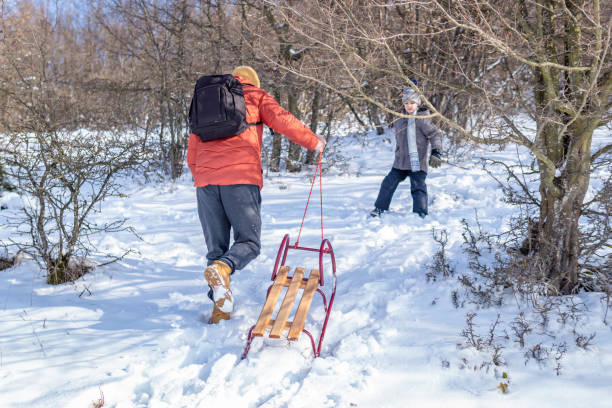
Travel with spare warmth that stays dry in a waterproof sack. If someone gets soaked from sweat or a fall, changing next-to-skin layers matters more than adding a giant puffy on top of wet fabric. Learn the signs of hypothermia from reputable public health sources; this site repeats only the general habit of watching companions for quietness or confusion.
Avoid cotton next to skin for long efforts; it holds moisture and steals heat later. If you use chemical warmers, air-activate them before you rely on them deep in a pocket; they need oxygen.
Ice and moving water deserve conservative routing. Choose official guidance and local knowledge over social media bravado.
Winter calendar
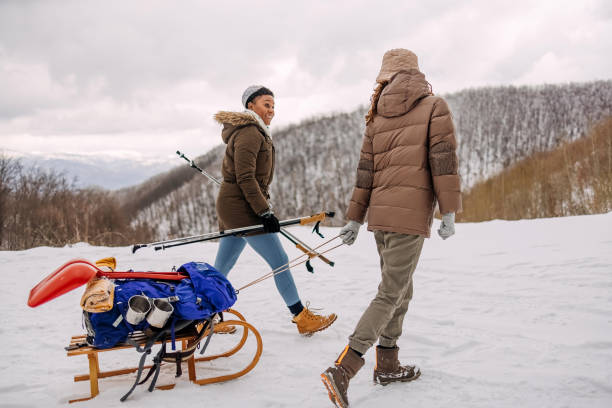
Lantern ski events, club relays, and community bonfire evenings often publish clothing recommendations; treat them as local wisdom. If you volunteer at a youth ski school, ask where they want helpers standing so trails stay clear for lessons.
When events include fireworks or sudden noise, consider pets and sensitive participants; position away from speakers if needed.
Learn basics without buying every iron gadget on day one.
Early starts reward firm surfaces; late starts reward patience and shorter loops.
Winter kit
One well-fitted neck gaiter beats stacking three loosely; condensation becomes a problem.
They need wiggle room for toes and secure heels; borrow advice from shops that measure properly.
Improve fit, reduce gaps at nose bridge, and avoid blocking vents; carry a microfibre square you actually keep dry.
If you are returning to summer paddling after winter, re-read the paddle guide’s wind section; shoulder-season gusts can surprise a winter-trained brain.