Night stretch
Lower speed, widen following distance in groups, and scan for eyes reflecting in your beam.

Bikepacking here often mixes smooth gravel, short road links, and soft forest roads after rain. The goal is a load that does not rattle wildlife—or your wrists—and clothing you can peel at a windy rest stop without emptying the whole bar bag.
Packing
Put snacks and gloves where you can reach them while rolling, not only where they look tidy in the garage. Use small dry bags inside larger bags so rain does not turn your cockpit into a laundry explosion at the first stop. For handlebar rolls, check toe overlap in the actual shoes you will wear; winter boots change steering geometry more than summer shoes.
Straps benefit from a consistent knot language in your group so anyone can help retighten without philosophical debates. Rubberised straps reduce slip; folded paper towels can quiet metal-on-metal contact points temporarily until you replace worn parts at home.
When you join road segments, remember that drivers read contrast and motion. A steady rear light and ankle bands communicate human pedalling better than a single tiny blinker hidden behind a saddle bag.
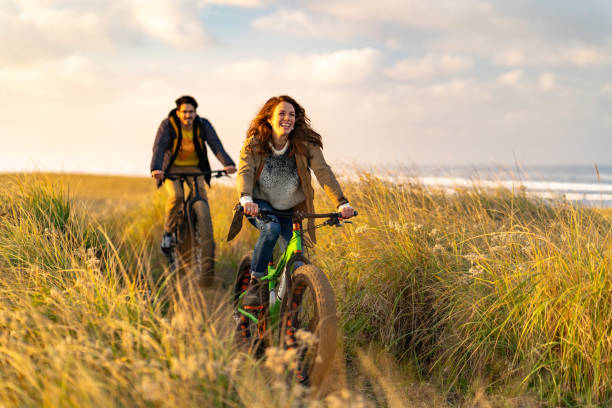
Route building
Finnish towns often have sensible grocery hours, but not always late on Sundays. Mark two food windows on your map: a primary shop and a backup bakery or fuel station with basic calories. Carry cashless payment cards that work internationally if you visit from abroad, and keep a little coin for rural lockers or showers where card readers fail.
Forest service roads can be lovely and can also be soft after rain. If you dislike hike-a-bike, choose ridges with better drainage according to topo shading and recent weather reports, not vibes.
Lower speed, widen following distance in groups, and scan for eyes reflecting in your beam.
Carry a spare tube that matches your valve length and a multitool that actually fits your axle type.
Riding safely
Helmet fit matters more than helmet fashion. Snug enough to stay put, not so tight that it causes headaches that mimic dehydration. If you ride near traffic, assume inattentive moments from others and position yourself visibly without hugging debris in the gutter.
Carry water in a way that lets you drink often. If you wait until thirst on a hot headwind day, mood crashes arrive faster than leg cramps. For long days, schedule a real lunch stop where you can loosen hip flexors; rolling through every hour without posture breaks is how backs complain later.
This site does not assess your fitness or medical readiness for endurance efforts. If you have health questions about endurance riding, speak with qualified professionals who know your history.
Rides & workshops
Overnight group rides often publish cue sheets and water distances; read them literally, not optimistically. If an event offers bag drops, label your bag with both your name and a phone number in large print. If you join a community repair workshop, bring the bike you actually ride so advice matches your axle and brake standards.
Winter bike events exist but demand their own equipment knowledge; cross-link mentally with the winter pacing guide for clothing rhythm.
Check spoke tension and brake pads after winter storage before committing to a loaded weekend.
Compare beam shapes on a safe closed course with coaches present.
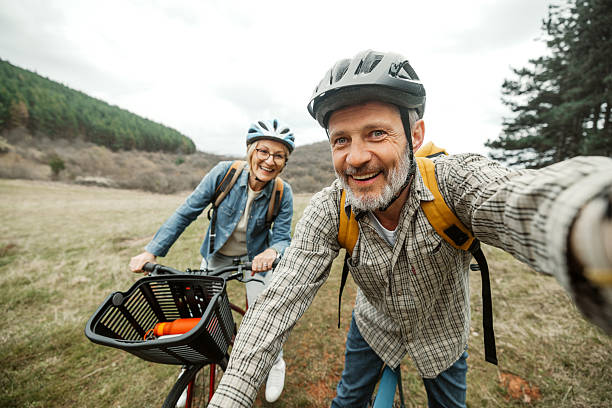
Gear
No. Reliable wheels and sensible tyres beat fragile ultralight experiments for most learners.
Carry a modest power bank deep in insulation, not strapped where rain sneaks in at speed.
Use a stable attachment system and choose quiet routes; give other riders audible warning before passing.
Wet gear from paddling should dry before it rides near drivetrains; moisture plus grit accelerates wear.